Advanced Surgical Care for Dogs and Cats
Specialized soft tissue surgery and minor procedures in Wheat Ridge, CO.
![[PLACEHOLDER]](assets/surgery-hero-left.jpg)
![[PLACEHOLDER]](assets/surgery-hero-right.jpg)
Specialized soft tissue surgery and minor procedures in Wheat Ridge, CO.
At Helping Paws Animal Hospital, we provide specialized soft tissue surgeries for dogs and cats in Wheat Ridge, CO. Our team uses advanced surgical techniques and state-of-the-art equipment to ensure the best possible outcomes for your pet — from routine procedures to complex and emergency surgeries.
Our experienced team provides elective, emergency, and reconstructive procedures, ensuring precision, safety, and effective post-operative care for every patient.
Ideal for pets who experience high anxiety during veterinary visits or have difficulty staying still for procedures. These updated approaches allow us to safely and comfortably perform minor treatments such as small mass removals or laceration repairs, and are especially helpful for pets with underlying conditions that make traditional procedures more challenging.
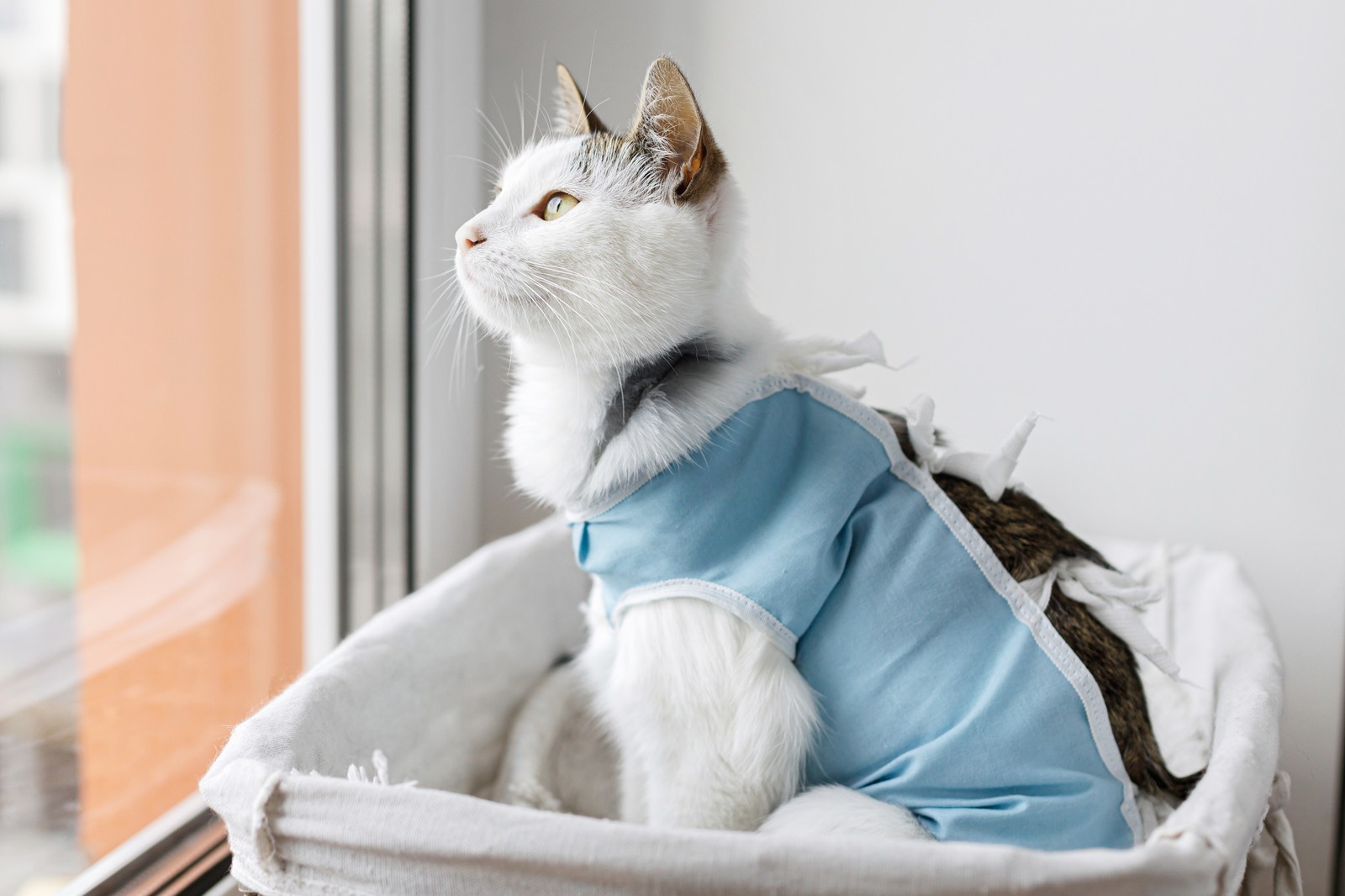
We offer prompt and effective surgical repair of lacerations -- cuts or tears in the skin resulting from incidents like bites or punctures. Our approach includes thorough wound assessment, meticulous cleaning, and precise closure to prevent infection and promote optimal healing. Post-operative care instructions are provided to ensure a swift recovery.
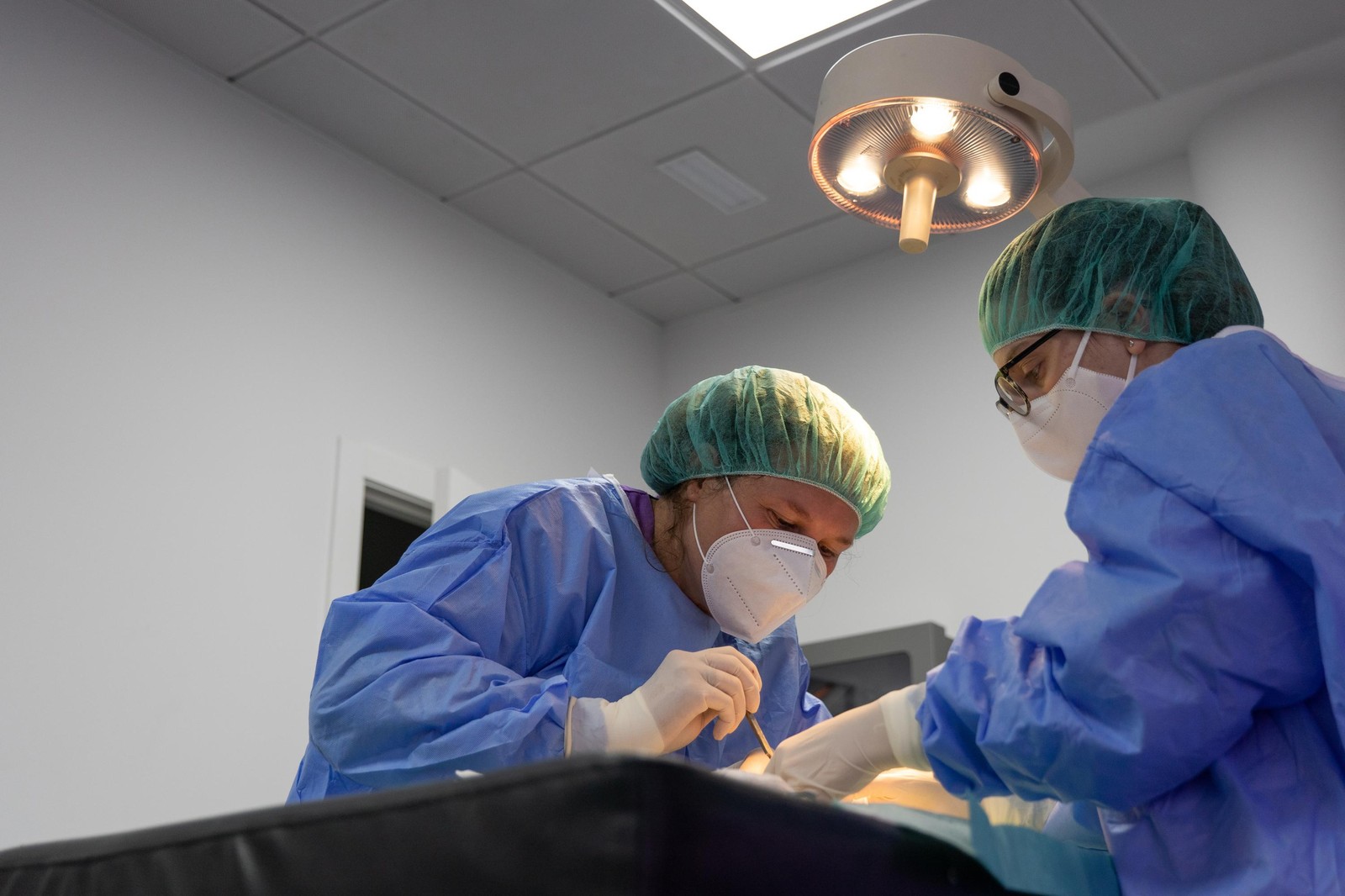
Our team performs the excision of small masses (less than 1/4 inch in diameter) with precision, ensuring minimal impact on surrounding tissues. The process involves pre-surgical evaluation, surgical removal, and histopathological analysis to confirm the nature of the mass. We also offer guidance on post-surgical care to facilitate effective recovery.
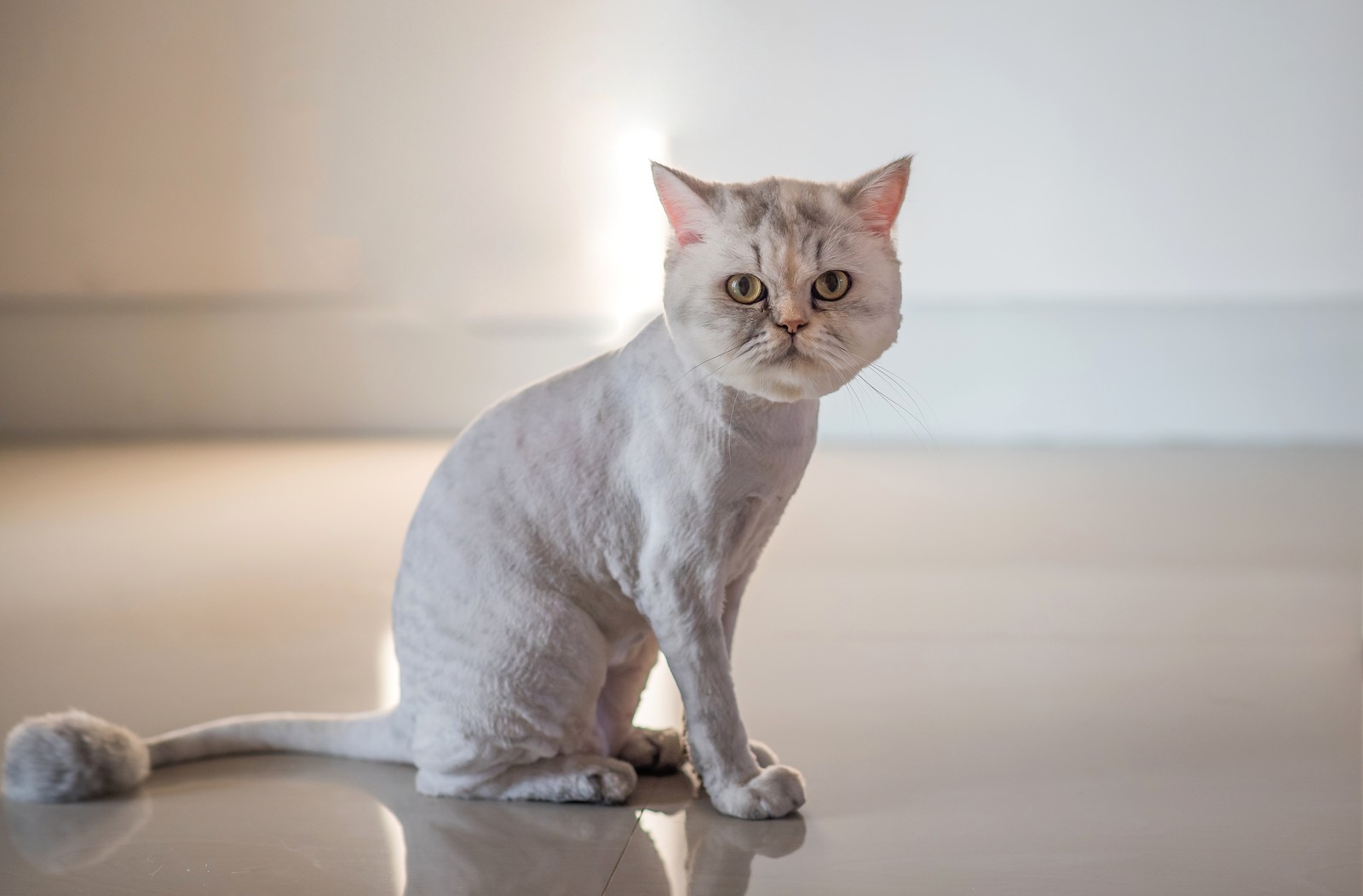
For pets with severe matting that cannot be addressed through traditional grooming, we provide sedated shave-downs. This humane approach alleviates discomfort and reduces the risk of skin infections. The procedure includes assessing the severity of matting, administering appropriate sedation, careful removal of matted fur, and post-procedure skin care to promote healthy regrowth.
Patient safety and comfort are our top priorities during surgery. We implement advanced anesthesia monitoring and multimodal pain management protocols to ensure a safe, pain-free experience and smooth recovery for your pet.
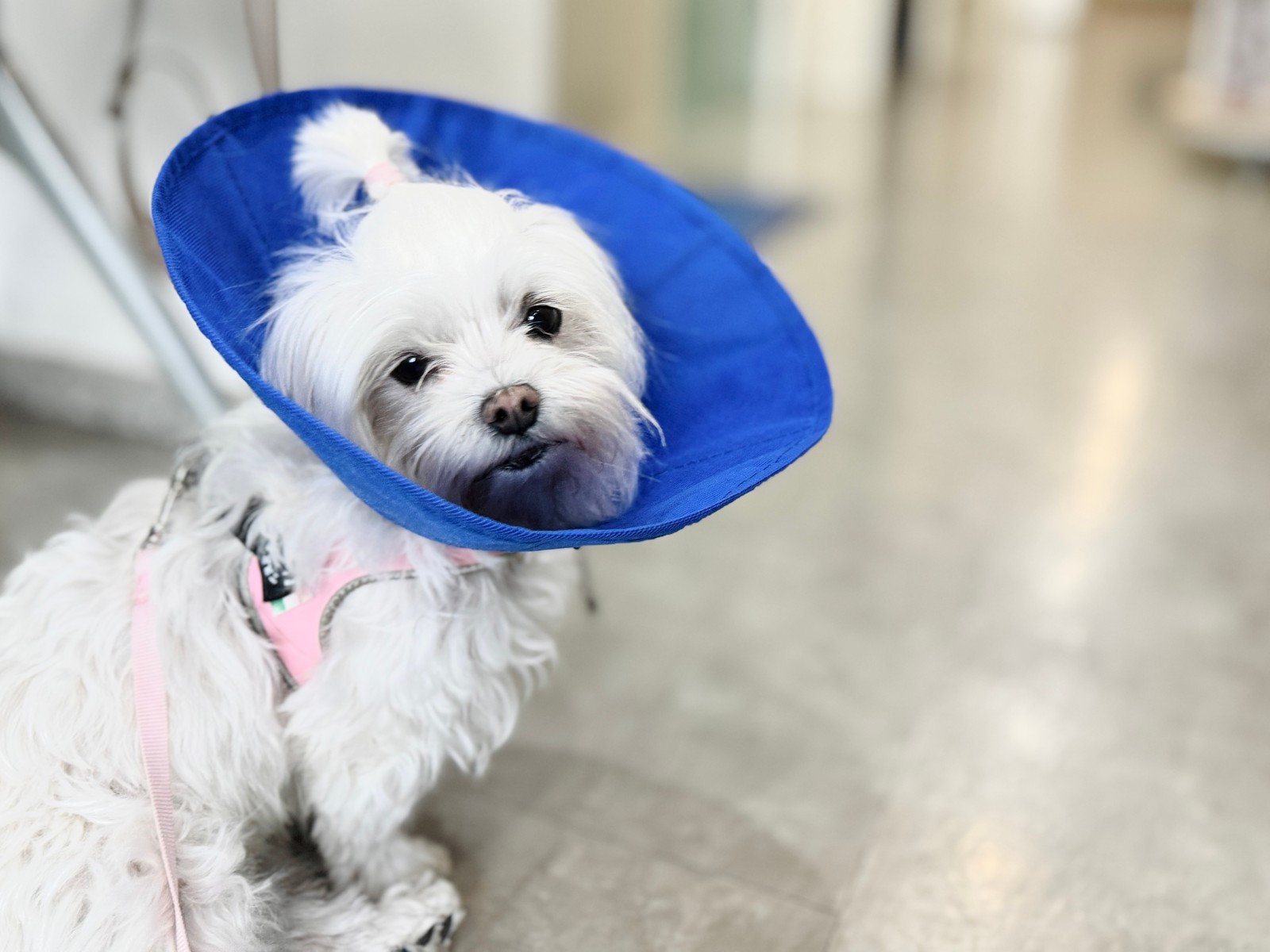



For any post-op concerns, call our hospital immediately. Your pet's comfort and healing are our priority!
Submit our online form or call our office at (303) 537-7209. We'll learn about your pet's situation, talk through options, and schedule a consultation if Helping Paws is the right fit.
Routine surgeries are typically scheduled within 1–2 weeks. For emergencies like GDV, trauma, or foreign body obstruction, we offer same-day or next-day surgical availability.
Yes. We conduct thorough pre-surgical evaluations including bloodwork and imaging, and use tailored anesthetic protocols to minimize risks. We take extra precautions with senior pets, brachycephalic breeds, and pets with underlying health conditions.
Sedation is generally safe when administered by experienced veterinary professionals. We assess each pet's medical history, age, and health status before determining if sedation is appropriate. Most pets recover within a few hours, with mild grogginess that typically resolves by the next day.
You'll receive a detailed post-op report with surgical findings, medications, and recovery instructions at discharge. For the first 7–14 days, you'll manage activity restrictions, incision monitoring (watch for swelling, redness, or discharge), and an E-collar to prevent licking. A follow-up visit for incision check and possible stitch removal is typically scheduled within that window. For major procedures, a final recovery evaluation at 3–6 weeks is coordinated with your primary veterinarian. We're always available if questions come up during recovery.
We use clear, upfront pricing packages so you know the full cost before your pet's procedure. Visit our pricing page for details on surgical pricing, payment options, and financing through CareCredit and Scratch Pay.
Contact us today to learn more about your pet's surgical options, ask questions, or schedule a consultation. We're here to help your pet get the care they need.