Safe, Monitored Anesthesia for Every Patient
Patient safety is paramount. At Helping Paws Animal Hospital, we provide comprehensive anesthesia and pre-operative care for every pet requiring surgical intervention.
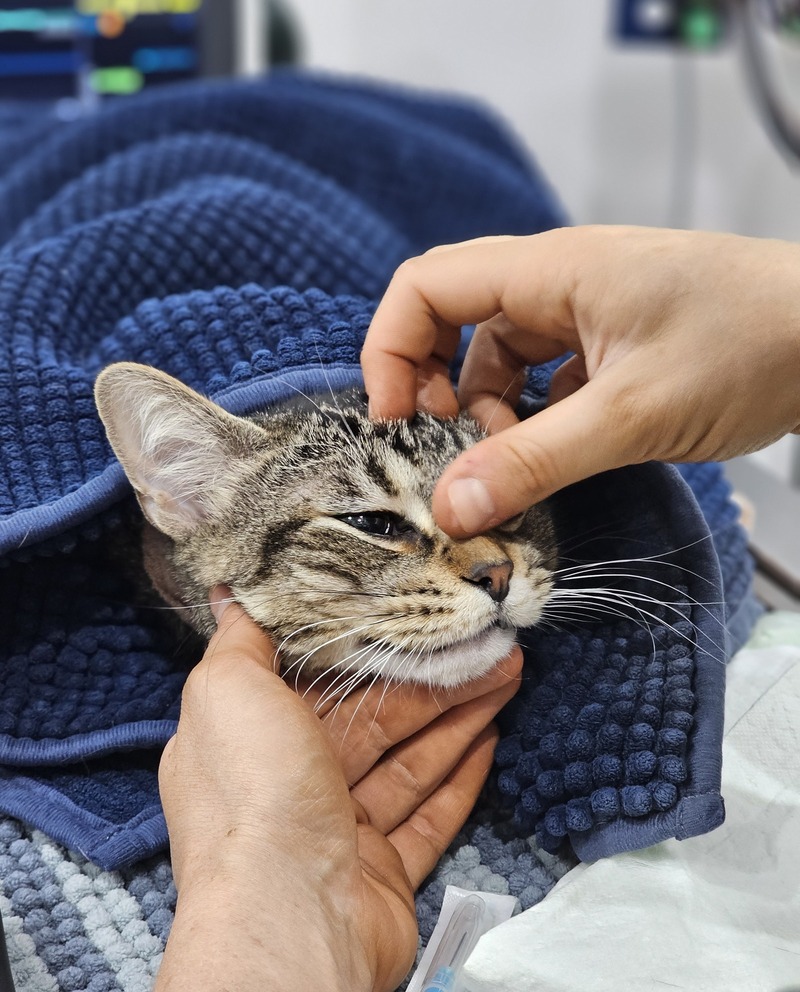
Patient safety is paramount. At Helping Paws Animal Hospital, we provide comprehensive anesthesia and pre-operative care for every pet requiring surgical intervention.
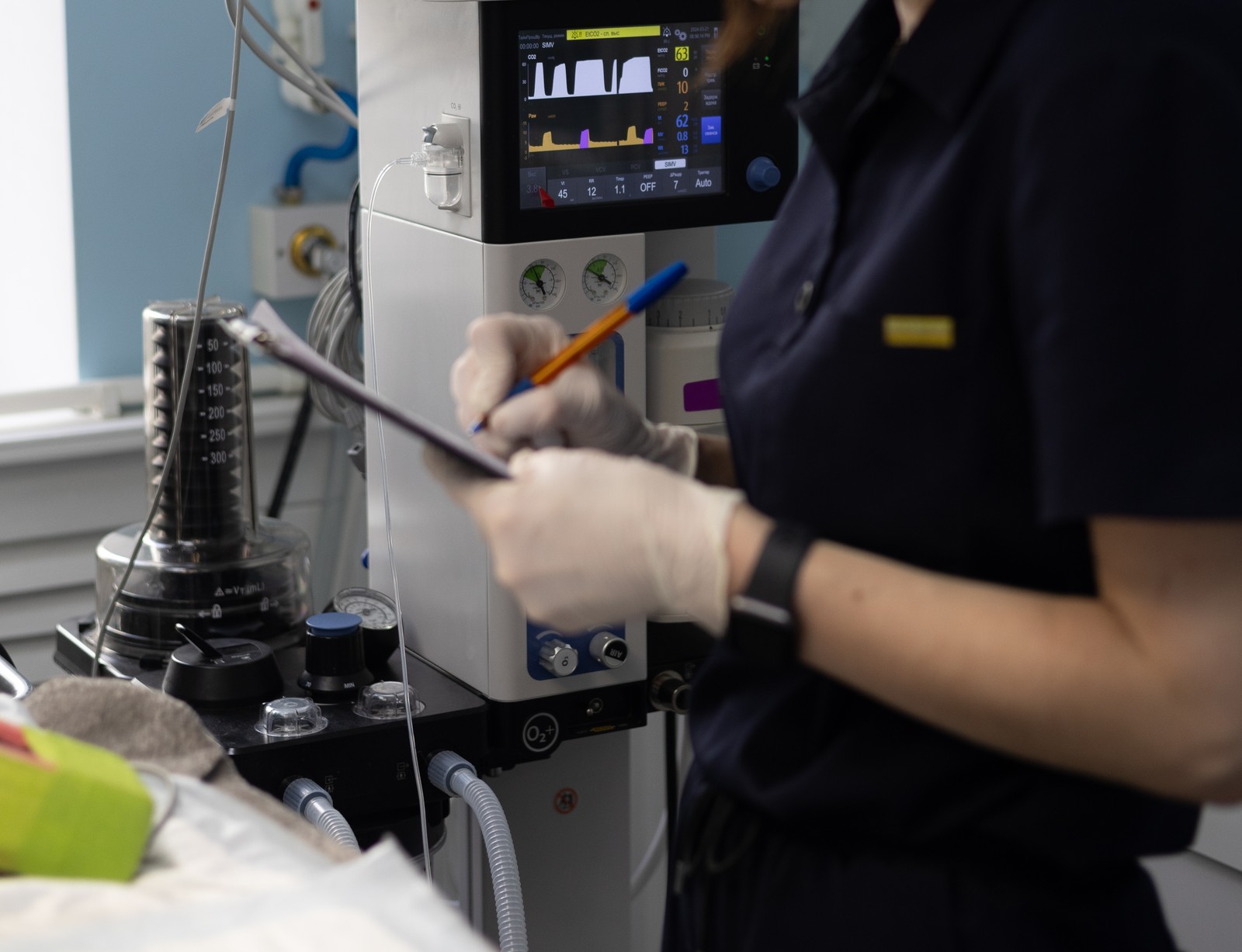
Our facility is equipped with advanced anesthetic monitoring, and our protocols prioritize patient safety to mitigate risks associated with general anesthesia. We collaborate closely with primary care veterinarians to ensure a seamless transition of care, from pre-anesthetic evaluation to post-surgical recovery.
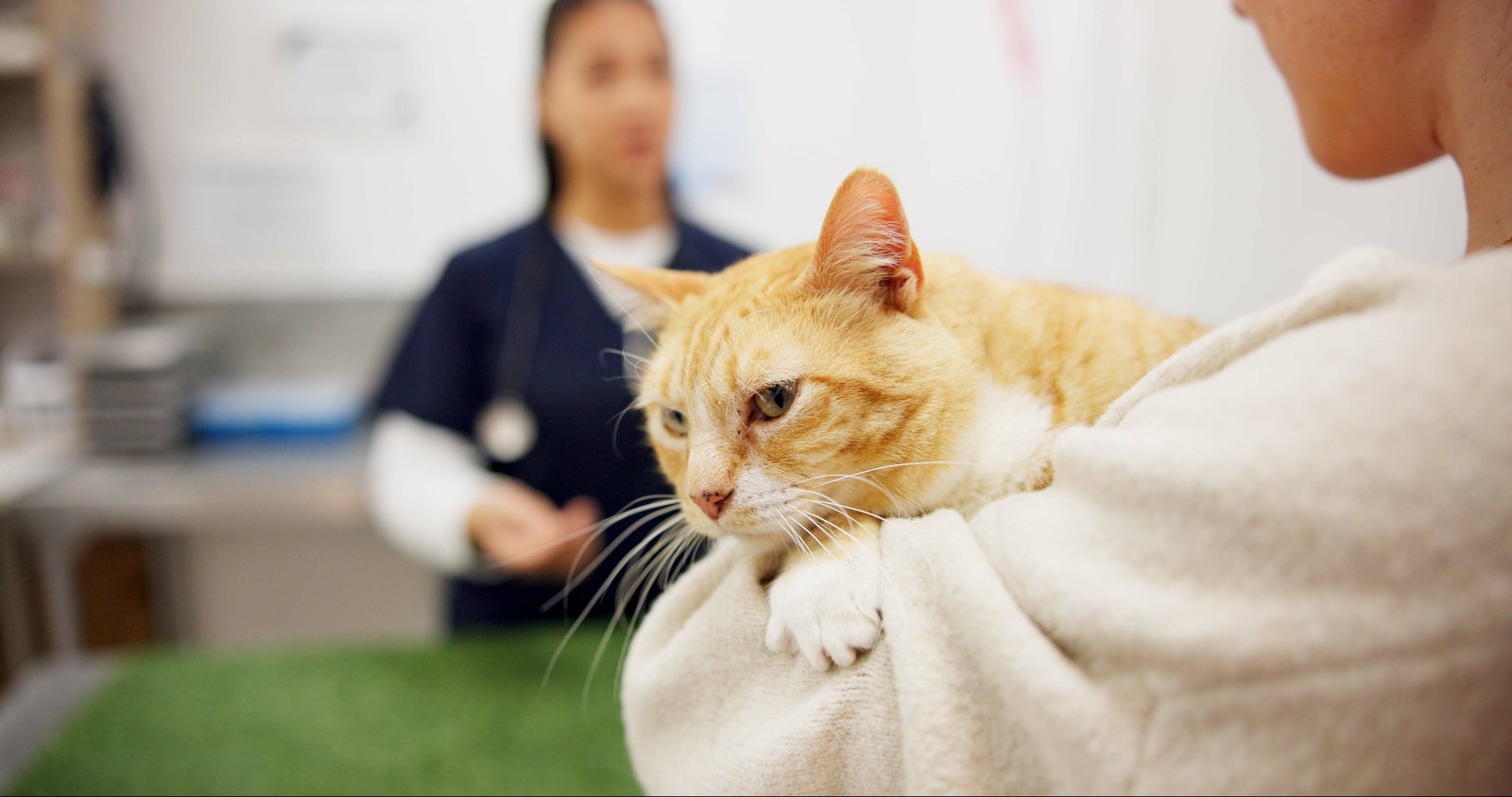
Before anything happens, we look at everything. Pre-anesthetic bloodwork plays an important role in patient safety, helping us identify conditions that aren't visible on the outside -- heart irregularities, clotting disorders, liver or kidney issues, electrolyte imbalances.
Many systemic diseases are not outwardly visible but can impact anesthesia safety. By identifying these risk factors in advance, we can adjust anesthetic plans to improve patient safety and recovery.
Our pre-anesthetic panel includes: CBC & Chemistry Panel -- evaluates organ function, infection, and anemia risks. Coagulation Profile -- identifies clotting deficiencies before surgery. Electrolyte Analysis -- detects imbalances affecting heart and neuromuscular function.
These tests ensure we have a full picture of the patient's health, reducing the likelihood of anesthesia-related complications. By analyzing bloodwork and patient history, we can adjust drug selection, implement pre-op fluid therapy, utilize specialized monitoring, and provide tailored post-operative care.
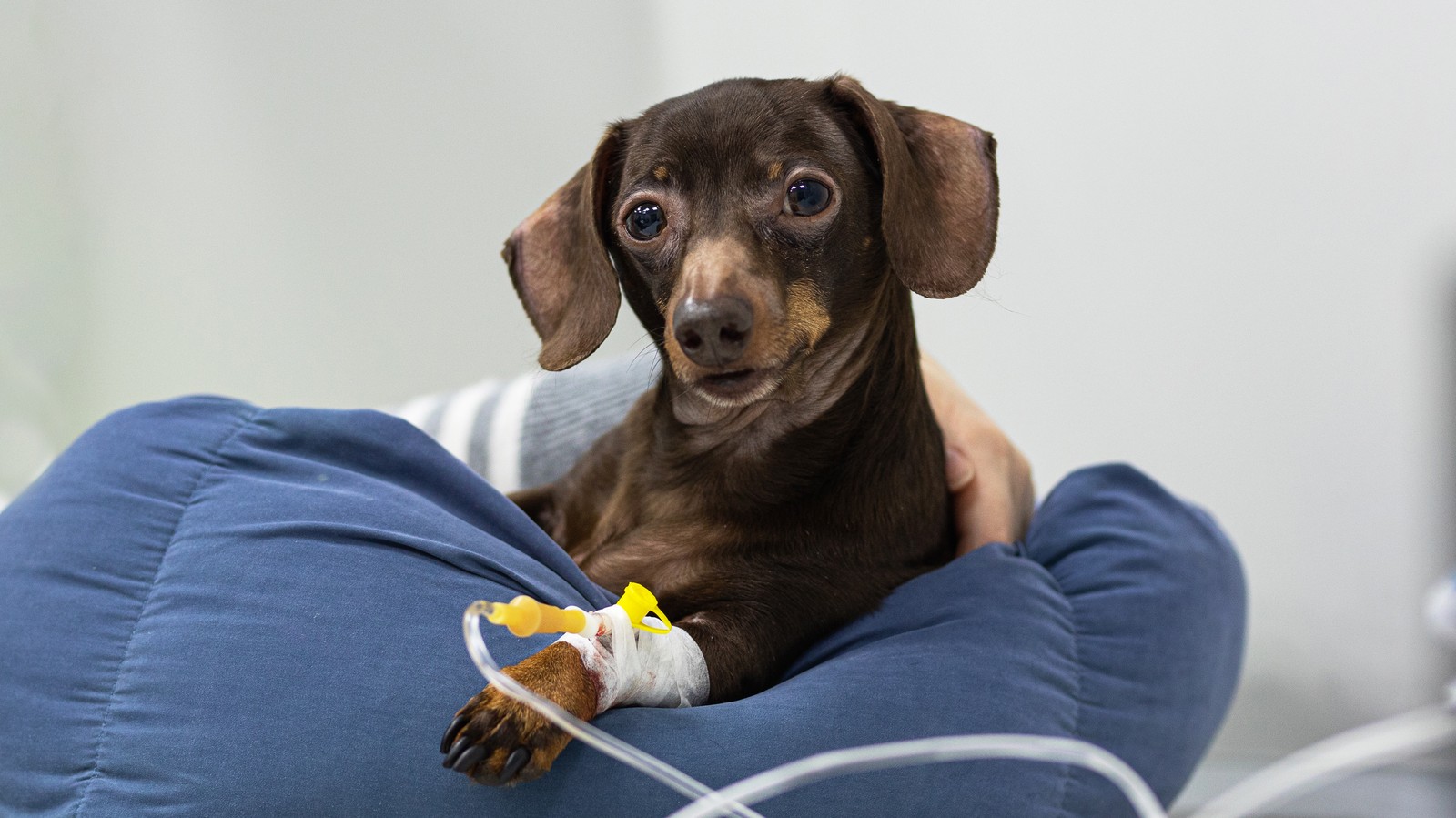
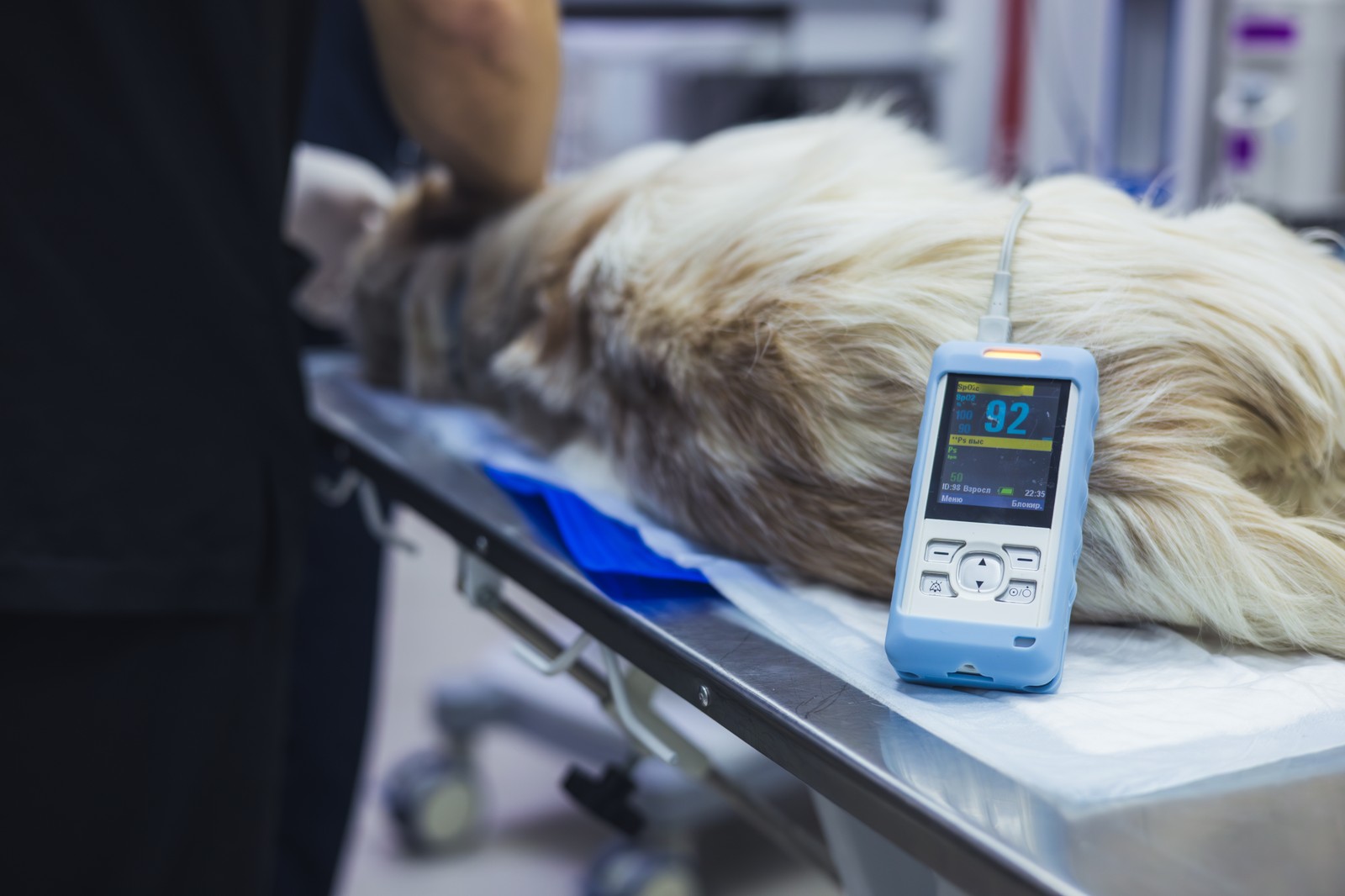
Once your pet is under anesthesia, nothing goes unwatched. We go beyond simply administering anesthesia -- we provide continuous, real-time monitoring to ensure stability, safety, and optimal outcomes. Our dedicated anesthesia team tracks each patient's vitals throughout surgery, allowing for immediate adjustments and intervention if needed.
We use state-of-the-art monitoring technology to assess vital functions in real time: ECG detects arrhythmias and heart irregularities. Capnography measures CO2 levels to ensure proper ventilation and respiratory function. Pulse oximetry tracks oxygen saturation to prevent hypoxia. Blood pressure monitoring maintains adequate circulation and prevents hypotension-related complications. And temperature is regulated throughout to prevent hypothermia, ensuring a smoother recovery.
Anesthetic care doesn't end when surgery is complete -- recovery is just as critical. Your pet doesn't leave until they're ready.
Our post-anesthetic monitoring includes careful extubation timing adjustments -- ensuring the pet is fully conscious before removing the breathing tube. We prioritize temperature management to prevent hypothermia or hyperthermia for a faster recovery, along with thorough pain and sedation assessments to adjust analgesia for post-op comfort.
We provide detailed owner communication and discharge instructions -- comprehensive post-op care guidelines to ensure a smooth recovery at home.
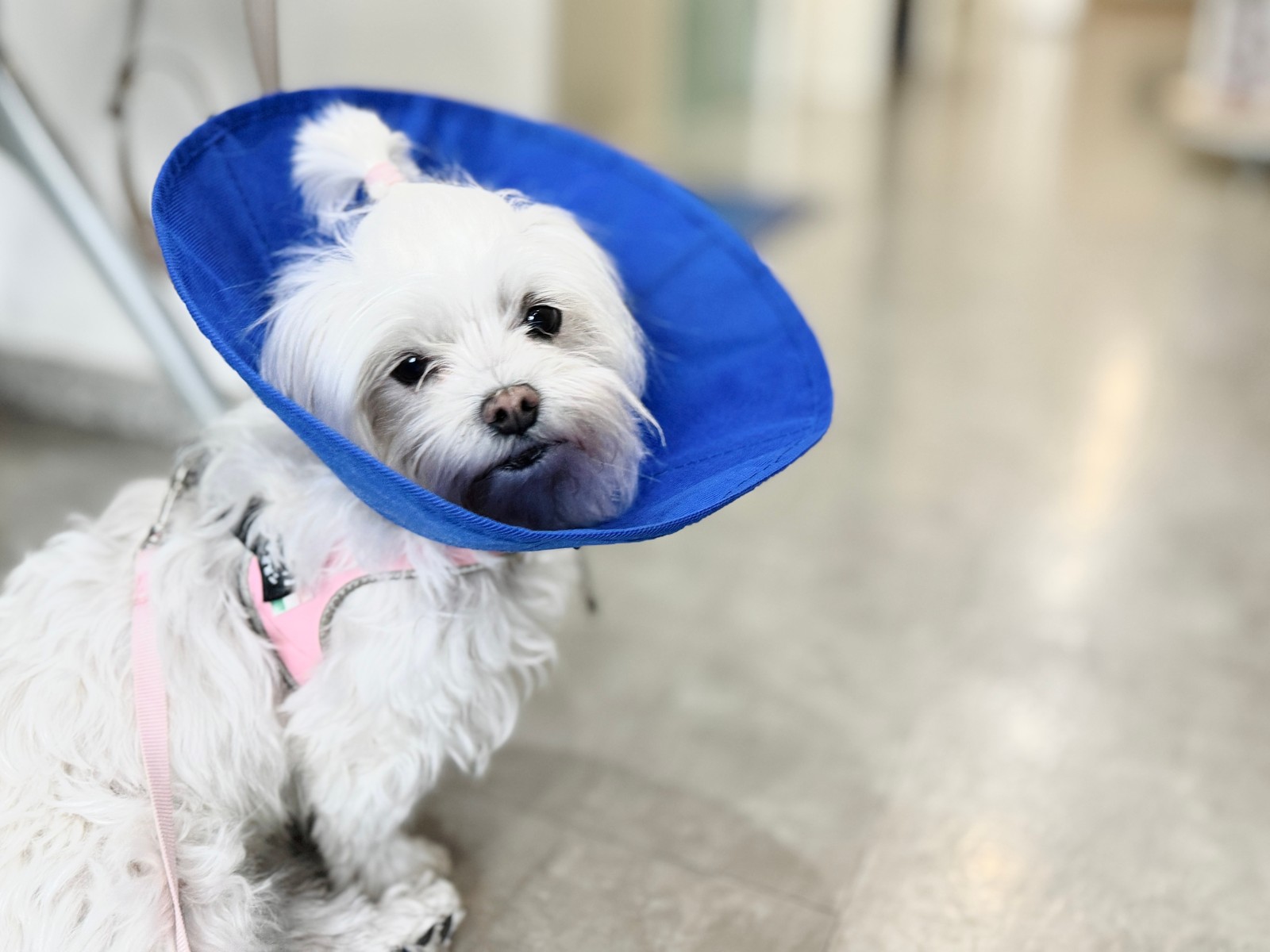
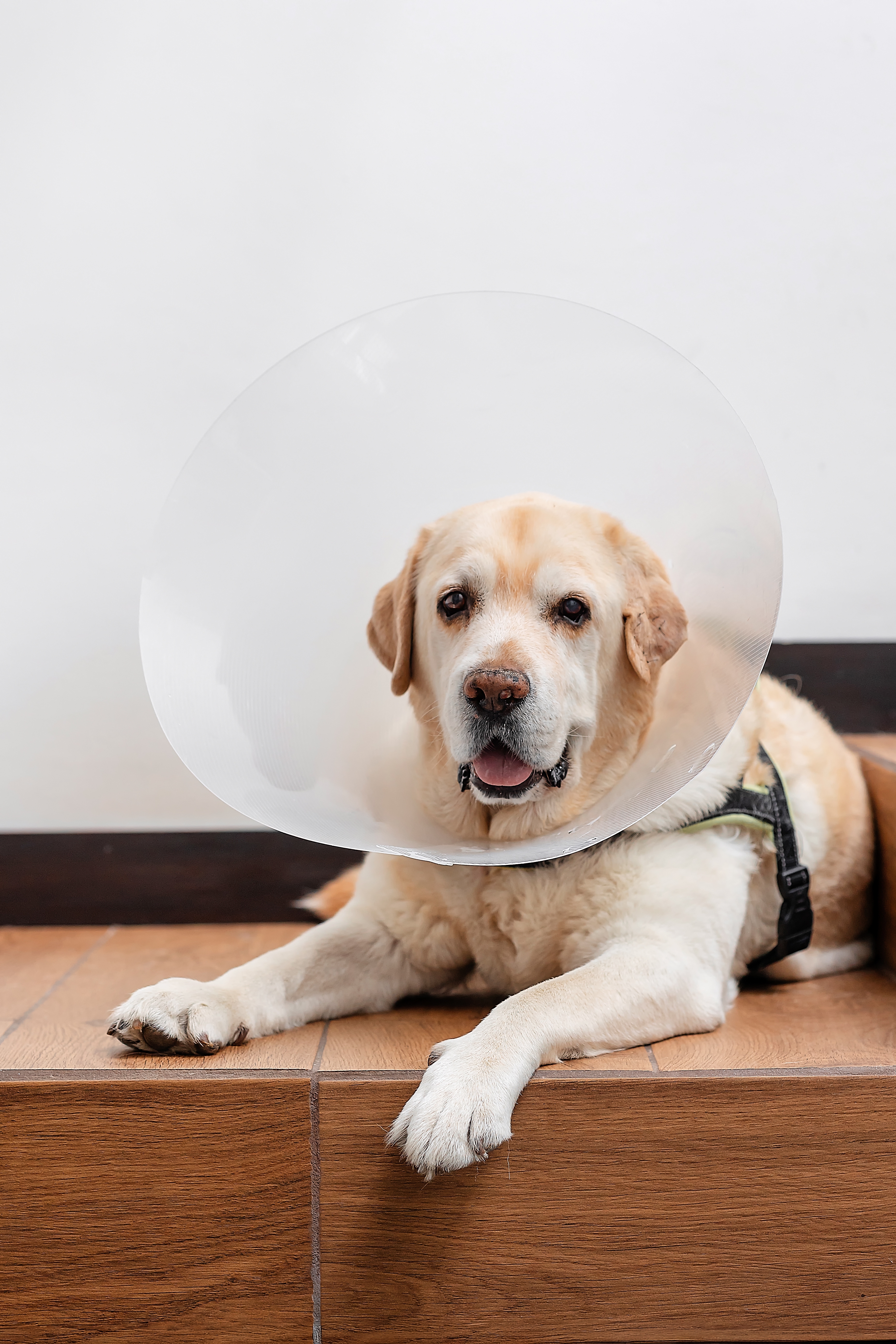
We only do this with proper anesthesia -- because anything less isn't care.
While some pet owners worry about anesthesia risks, anesthesia-free procedures are not a safe or effective option for dental cleanings, tumor removals, or surgeries. At Helping Paws Animal Hospital, we emphasize that general anesthesia is essential for ensuring pain-free, thorough, and stress-free treatments.
Lack of Pain Control: Awake pets experience significant discomfort and stress, making procedures traumatic rather than pain-free. Without proper anesthesia, there is no way to manage pain at the level these procedures demand.
Inadequate Treatment: Without anesthesia, veterinarians cannot perform full exams, take X-rays, or complete necessary extractions, leading to incomplete care that only addresses what's visible on the surface.
Higher Risk of Injury: Awake pets may move, flinch, or resist, increasing the risk of self-injury, oral trauma, or aspiration pneumonia. For dental procedures, tumor excisions, and orthopedic surgeries, general anesthesia remains the gold standard for patient care.
The American Veterinary Dental College strongly advises against anesthesia-free dental procedures.
We provide anesthesia for soft tissue and orthopedic surgeries, as well as dental procedures, mass removals, and emergency interventions.
Every patient undergoes a thorough pre-anesthetic evaluation, including bloodwork and physical assessment, to tailor the safest anesthetic protocol.
We employ multimodal pain management, combining opioids, NSAIDs, local anesthetics, and CRIs for effective pain relief before, during, and after surgery.
Yes. We provide your primary veterinarian with pre-operative consultations, updates during the procedure, and detailed post-operative reports to ensure continuity of care.
Yes. We tailor specialized anesthetic protocols for geriatric, brachycephalic, and high-risk patients, ensuring close monitoring and risk mitigation.
Have questions about your pet's upcoming procedure? Contact Helping Paws Animal Hospital today — we're here to help you feel confident about your pet's care.